Regional passes
Cover the museums of a single region — Greater Cairo, Luxor and the south, Alexandria and the coast, or the Delta. The right choice for a trip focused on one area. Coverage and price are on the pricing page.
This page is the honest technical description of e-Pass Museum. It covers the full lifecycle of a pass — from the moment you choose one to the moment it is scanned at the last door of your trip — and it is deliberately specific, because a service that handles your payment and your entry should be transparent about exactly how it works. It also sets out, just as plainly, the things we do not do, because what a service refuses to be is often more telling than what it claims. If you only read one page before trusting us with a payment, this is a good one — it is the page where we show our working rather than ask you to take our word for it.
Every pass goes through the same five stages. Understanding them makes clear what is happening with your money and your data at each point, so there is no black box between paying and walking through the door.
You choose a pass on the pricing page and confirm its coverage on the coverage page. Nothing is charged and no account is needed simply to browse; selection commits you to nothing at all, and you can compare passes for as long as you like before deciding.
Payment is taken through a secure checkout operated by a regulated payment processor. The transaction is submitted by POST, so your card details never appear in a web address or a browser-history entry, and we ourselves never store your full card number.
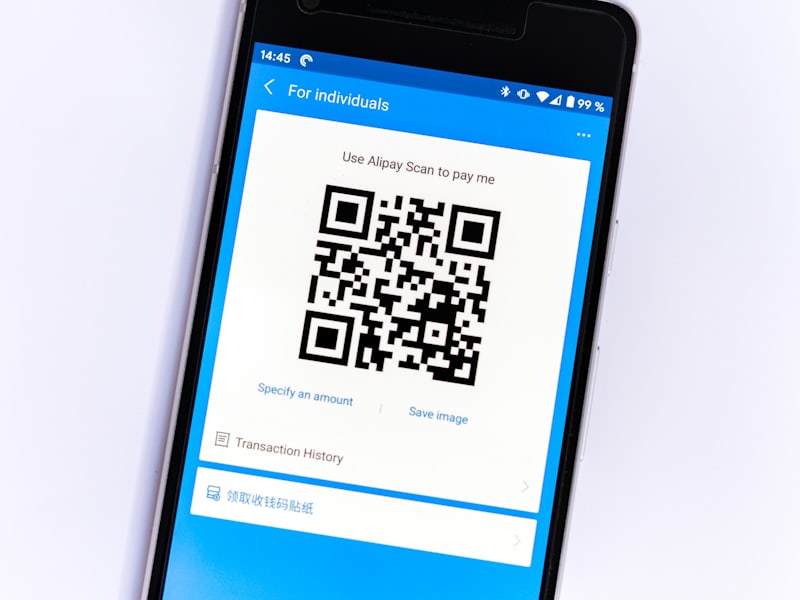
On successful payment the system generates your pass: a unique QR code tied to exactly the museums you bought. It is emailed straight to you and available to save to your phone immediately — there is no waiting period and no separate collection step of any kind at all.
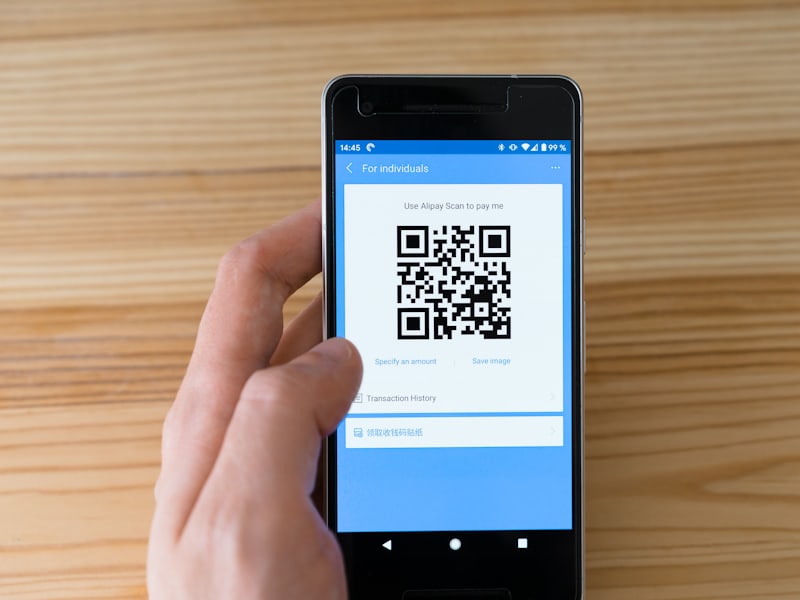
You save the QR to your photos or your phone's wallet app so it works without a signal, which matters inside thick-walled museum buildings. The mobile pass guide shows exactly how on each phone type.
At each covered museum the QR is scanned at the door, the system confirms it is valid for that museum, and you walk in. The pass remains active for its other covered museums until the trip's validity period ends.
When the validity period ends the pass simply expires on its own; there is nothing to return and no recurring charge whatsoever. If you never scanned it at all, an unused pass can be refunded under the refunds policy.
Every pass works the same way technically; they differ in coverage and in who they are for. Each links to its own detailed page.
Cover the museums of a single region — Greater Cairo, Luxor and the south, Alexandria and the coast, or the Delta. The right choice for a trip focused on one area. Coverage and price are on the pricing page.
Covers museums across more than one region, for travellers moving through several parts of Egypt on one trip. One pass, the whole itinerary. Full coverage is on the coverage page.
One purchase that issues passes for a whole group — families, friends travelling together, or organised parties — at a per-person rate below the individual price. Details on the group passes page.
A reduced-rate pass for students with valid enrolment, recognising that students are exactly the visitors museums most want and can least afford repeated entry fees. Details on the student passes page.
A service that takes payment and issues an entry credential has two security duties: protect the payment, and make the pass hard to forge or misuse. On payment, we use a regulated payment processor and never store your full card details on our own systems — the processor handles the sensitive part, and we keep only what we need to confirm your purchase and issue your pass. On the pass itself, each QR is unique and tied to its purchase, so a screenshot shared around does not multiply into many valid entries; the scanning system checks validity at each door.
On personal data, we hold the minimum: enough to issue your pass, email it to you, and handle a refund or a support question if one arises. We do not build a marketing profile, we do not sell data, and we do not track your movements between museums beyond confirming a valid entry. The complete detail is in the privacy page, which is written to be read, not to be impenetrable.
Being clear about our limits is part of being trustworthy. Here is what e-Pass Museum deliberately is not, so there is no misunderstanding.
We are an independent pass service, not the museums themselves and not a government body. We do not set museum opening hours, exhibitions or rules; we reflect them accurately, and we say plainly that we are independent.
We do not run tours, provide guides, arrange transport or sell anything beyond museum entry. The pass gets you through the door; what you do inside is entirely your own visit.
We do not bury charges in exchange rates or vague service fees. The price shown is the price paid. If we ever cannot cover a museum you expected, we say so before you buy, not after.
Almost every design decision in this service traces back to one thing: we make money only when a traveller buys a pass they actually wanted, so our incentives point the same way yours do. We do not earn a commission for steering you to a particular museum, we do not take payment from venues to be featured, and we do not sell your data on the side. That is why coverage is stated before purchase, why fees are never hidden, and why we say plainly what the pass does not include. A service with conflicted incentives ends up nudging you toward whatever pays it most; a service with aligned incentives can simply tell you the truth and let you decide. We chose the second model deliberately, and the whole architecture of the service follows from it.
It also explains the things we have turned down. We have been asked to add "recommended tours", to take placement fees, to bundle in insurance and transfers, to auto-renew passes, and to soften the "we are not the museums" line because it supposedly costs sales. Each of those would have made the company more money and the service worse, so each was declined. The narrow focus is not a limitation we apologise for; it is the product. You can read the founders' view of this on the about page.
The service does not end at the sale. A pass that someone has paid for carries an obligation to support it through the trip, and that support is part of what the price buys.
During office hours a person who understands the system answers the phone and email, and can verify or reissue a pass on the spot if something goes wrong at a door. Details are on the contact page.
If your plans change, the refunds policy is built for that — full refund on an unused pass, fair pro-rata on a partly used one, no invented fees. We stand behind what we sold you.
The pass works without a smartphone via a printed QR, and we help with companion entry and physical-access questions — set out on the accessibility page. We treat access as part of the core service, not an afterthought, because a pass that only works for the most able-bodied, best-connected traveller is not the universal entry pass we set out to build. If something about access is not clear, asking us before you buy is always the right move.
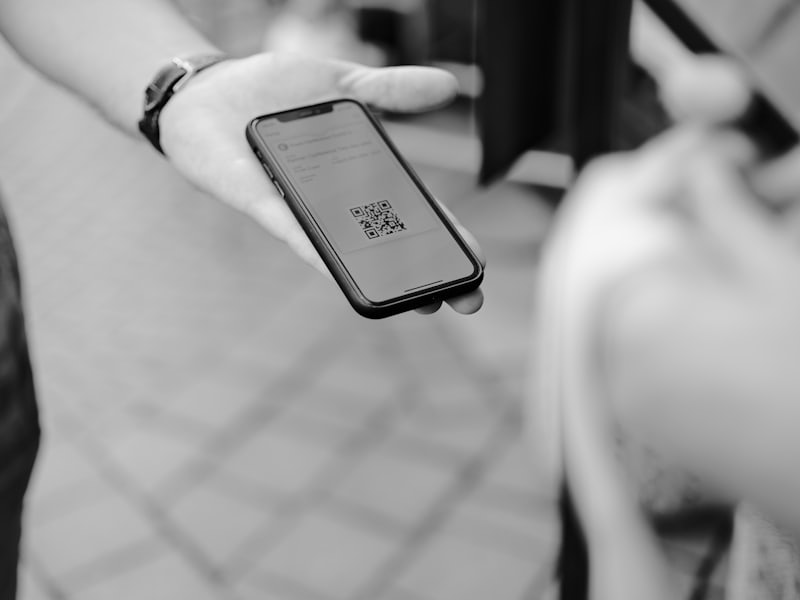
A pass that fails at the door is worse than no pass, because it fails in front of a queue with your day on the line. So the scanning side of the service is where we put the most engineering care. Each QR encodes a unique, signed reference, not a web link, which means it can be validated even if the door's own connection is patchy, and it cannot be guessed or mass-generated by someone trying to forge entries. When a door does have a connection, validation is instant and the pass is checked against its purchase in real time; when it does not, the signed code still proves the pass is genuine, and the entry reconciles when connection returns. The visitor never sees any of this — they see a scan and a green light — but it is the reason the pass holds up across a real day of five museums rather than working on the first and failing on the fourth.
We also build in graceful failure. If a specific phone screen will not scan — too dim, cracked, an awkward angle — the door staff have a fallback to verify the pass by its reference, and our support line can confirm or reissue a pass on the spot during office hours. The aim is that no genuine pass-holder is ever left stuck outside, even when a phone misbehaves. The visitor-facing version of this troubleshooting is on the mobile pass guide.
A pass is only as good as the truthfulness of its coverage list. A great deal of the unglamorous work behind the service is simply keeping that list current as museums change their hours, rules and exhibitions.
The coverage list is reviewed on a routine cycle, not left to drift. When a covered museum changes its standard entry arrangements, the coverage page is updated to match, so what you read before buying is what you meet at the door.
Where a museum runs a separately ticketed special exhibition beyond standard entry, we flag it in the coverage notes rather than letting you assume it is included. The pass covers standard permanent-collection entry, always stated plainly.
If a visitor tells us a covered museum's situation has changed before we have caught it, we check and update fast, and we thank them. An honest coverage list depends partly on the people using it, and we treat that input seriously rather than as a nuisance — a visitor who flags a stale entry has done the next traveller a real favour, and us too.
Check the coverage for your own trip and choose the pass that fits it.
Check coverage See prices